Can I Install Electric Car Charger Outside For Home Use?
As a charging pile manufacturer, we generally do not recommend installing electric car charger outdoors, because compared to installing them indoors, installing electric car charger

Commercial vehicle charging stations usually have two options: commercial level 2 charging station and level 3 charging station. If you don’t know how to choose between these 2 kinds of EV (Electric Vehicle) charging stations for your business, this article will be helpful. We’ll discuss the key distinctions, costs, and the factors that empower businesses to make well-informed decisions.
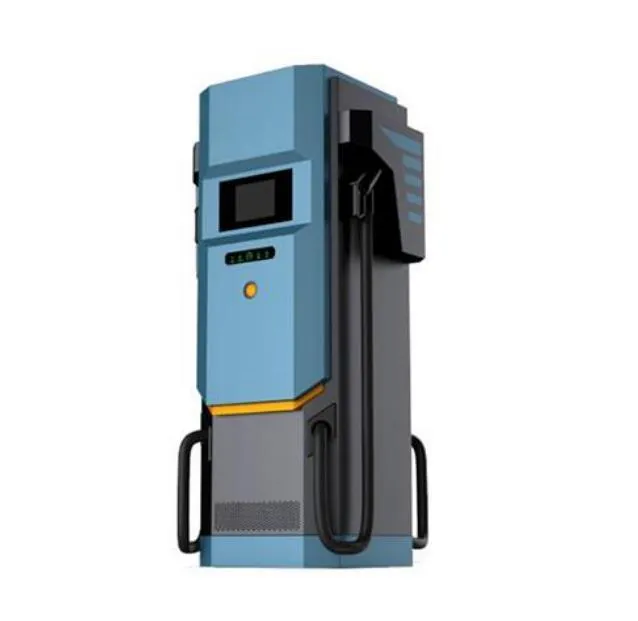
Level 2 charging stations are the most common public charging facilities for EVs. It is widely used for home and commercial use due to its moderate charging speed and low installation requirements.
Level 3 charging stations are high-power electric vehicle charging solutions that can complete charging quickly. It uses direct current and charges faster than the other two common charging methods (level 1 and level 2), it is also called a DC fast charger.
Here’s a comparison table of the key features of Commercial Level 2 charging station and Level 3 car charging station:
| Feature | Commercial Level 2 Charging Station | Commercial Level 3 Charging Station |
| Charging Speed | As a rough estimate, a full charge at a commercial level 2 charging station usually takes 6-8 hours. | Level 3 chargers offer rapid charging speeds. Charging to 80% capacity typically requires around 20 to 30 minutes. |
| Power Output | 7 kW to 22 kW | > 50 kW, up to 350 kW |
| Typical Locations | Workplaces, shopping centers, residential areas | Highway rest stops, fast-charging stations, urban areas |
| Connector Types | J1772 (North America), Type 2 (Europe) | CCS, CHAdeMO, Tesla Supercharger, region-specific connectors |
| Infrastructure Requirements | Less extensive electrical infrastructure | High-voltage power lines and specialized equipment |
| Installation Complexity | Easier, can be done by a certified electrician | Requires experienced professionals and infrastructure upgrades |
| Cost | More cost-effective for purchase, installation, and operation. | More expensive to purchase, install, and operate. |
| Ideal Use Cases | Longer parking durations, various locations | Long-distance travel, urban areas with high EV usage |
| Availability | Widespread at various locations | Less common, often along highways and urban regions |
| Vehicle Compatibility | Compatible with most EV models | Specific connectors and compatibility with certain EV models |
Please note that the information in the table provides a general overview of the key features and differences between these 2 kinds of charging stations. The actual specifications and features may vary based on charger models and manufacturers.
Level 2 is a cost-effective choice for many applications. The cost structure includes the charger cost, installation cost, and operating cost. The price of the charger itself will vary depending on factors such as brand, features, and power output. The low price range is usually a few hundred dollars, and the high price range is usually a few thousand dollars.
Installation costs vary based on electrical infrastructure requirements, distance to the electrical panel, and any needed system upgrades, typically ranging from a few hundred to a few thousand dollars.
In addition, commercial level 2 charging stations have lower operating costs due to lower power costs.
The high-speed charging capabilities of a Level 3 station also portend its high cost. Purchasing a Level 3 charging station requires a pretty high budget, with prices ranging from a few thousand dollars to tens of thousands of dollars.
The installation of a Level 3 charger involves extensive upgrades, including high-voltage power connections, transformers, and specialized equipment, leading to installation costs ranging from tens of thousands to hundreds of thousands of dollars.
Operating Level 3 stations is pricier due to their substantial power output and faster charging speeds, with electricity costs per kWh possibly being higher.
Some governments have incentives, rebates and grants that can be used to offset the cost of Level 2 and Level 3 charging stations, which vary from country to country. Beyond these upfront and operational costs, maintenance expenses, network fees, and other factors can contribute to the overall cost of operating charging stations. To obtain an accurate assessment of the specific costs for an installation, businesses and EV owners should seek a detailed quotation from a reputable charging infrastructure provider.
Businesses can make well-informed decisions when choosing between Level 3 and Level 2 chargers by considering several key factors and conducting a comprehensive assessment of their specific needs.
Evaluate the intended user base, parking duration, and expected traffic volume to determine the demand for charging services.
Level 3 chargers are perfect if you’re going to place your car charger in a high-traffic area. If you are in an area with less foot traffic, Level 2 would be an excellent choice.
When deciding between Level 3 and Level 2 chargers, evaluate the energy demands of Level 3 chargers, which may require upgrades to your electrical infrastructure. Ensure that your facility can meet these power demands without compromising other operations, all while considering the budget available for charging infrastructure. This assessment should encompass both upfront costs and long-term operational expenses to determine the most cost-effective option based on your business’s financial resources.
Consider the compatibility of your electric vehicle fleet with Level 3 chargers and project future growth in electric vehicle usage. Ensure that your chosen charging infrastructure aligns with your long-term strategy.
Be aware of local regulations, permits, and zoning requirements that may impact the installation of charging stations. Ensure that your chosen charging station meets all relevant codes and standards.
By focusing on these five main points, businesses can make informed decisions when selecting the appropriate charging infrastructure for their specific needs and circumstances.
As a charging pile manufacturer, we generally do not recommend installing electric car charger outdoors, because compared to installing them indoors, installing electric car charger
Home EV charging piles, as a vital infrastructure for electric vehicles (EVs), have become increasingly essential with the rising popularity of EVs. With the surge

As electric vehicles (EVs) become more commonplace, knowing how to safely use EV charging piles in different weather conditions can not only ensure the longevity

Compared to other power sources, EV charging piles (also known as EV charging stations or EV charging points) generate significantly more heat, making the thermal